Step-by-Step Driving Lessons: Register for Our Instructor-Led Driving Program Today!
Progressive driving lessons present a comprehensive approach to mastering vehicle operation. Enrolling in an expert-led class can significantly improve a learner's skills and confidence. The curriculum is carefully designed to cover both basic and advanced techniques, accommodating different skill levels. Being aware of what these lessons entail can make all the difference. There are several key components that foster productive learning and exam preparation.
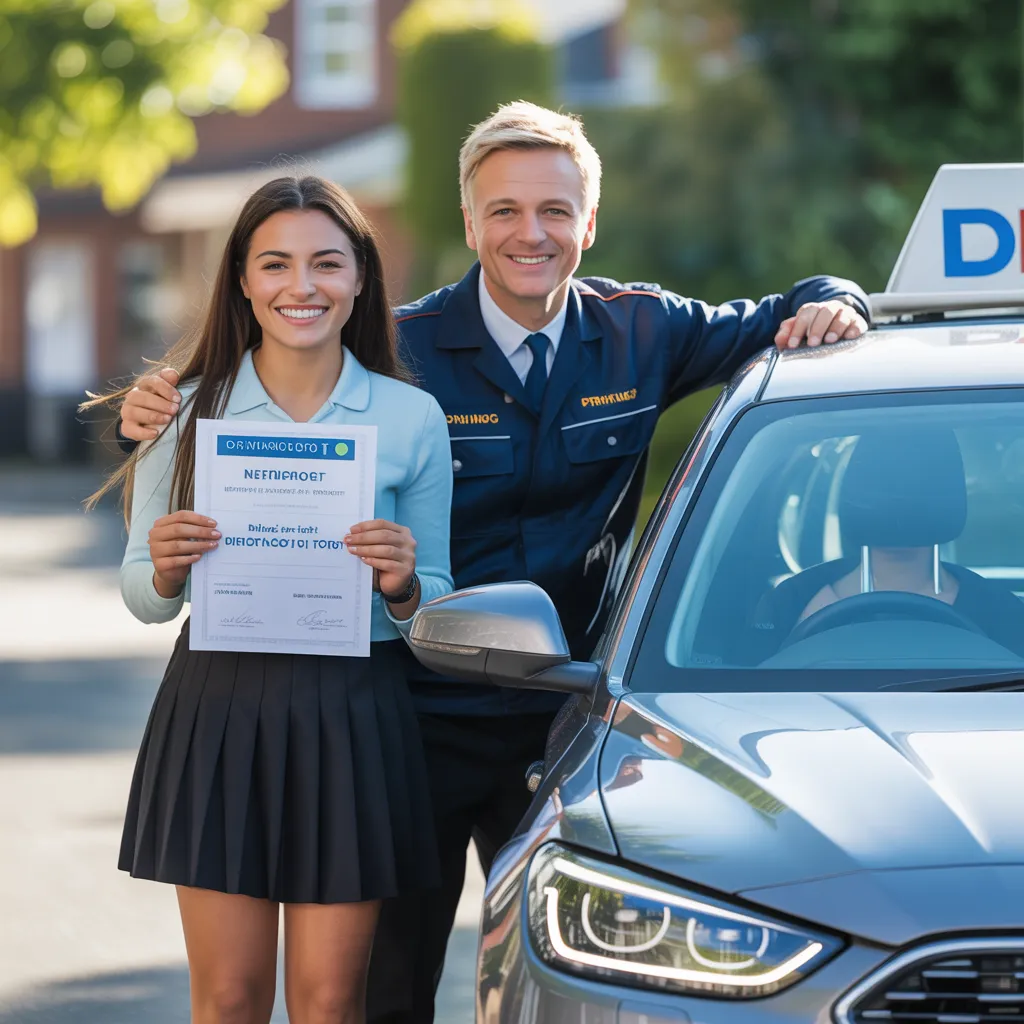
What to Anticipate in Your First Driving Lesson
Once a student starts their initial driving class, they may feel a mix of enthusiasm and apprehension. The classroom environment, usually shared with fellow participants, sets the stage for a transformative experience. Instructors typically open with introductions, detailing the program framework and safety guidelines. Students can anticipate receiving learning resources, including manuals and handouts, which will act as helpful resources throughout their course of study.
The primary emphasis is mainly on learning about the vehicle's controls, basic road signs, and fundamental traffic laws. Instructors may also emphasize the value of maintaining a calm demeanor while driving. Students are encouraged to ask questions, creating a positive learning environment. After the theoretical portion, numerous courses feature real-world practice, where students become familiar with the car in a safe environment. This blend of classroom learning and hands-on experience equips students for their driving journey, instilling confidence as they embark on the road to becoming responsible and capable drivers.
Driving Course: Fundamentals to Advanced
A thorough driving curriculum includes a progression from basic skills to complex maneuvers, ensuring that new drivers acquire a firm base before addressing more complex driving scenarios. At first, new drivers concentrate on basic car handling, including directional control, braking, and acceleration. Students gain knowledge of key driving laws, road markings, and defensive driving techniques, providing a detailed understanding of the driving regulations.
As students demonstrate capability in these foundational areas, the course moves forward to more intricate skills. This includes navigating different road surfaces, navigating harsh weather scenarios, and mastering defensive driving techniques. Additionally, students become familiar with highway driving and complex intersections, strengthening their capability to act decisively in challenging circumstances.
Within the curriculum, instructors highlight the importance of situational awareness and responsible driving behavior. This structured approach equips students not only to complete their driving assessments but also to develop into skilled and assured drivers in varied conditions.
Gaining Confidence as a New Driver
Novice drivers commonly struggle with developing their self-assurance while driving. Starting out as a driver can be quite intimidating, given the many tasks involved and the continuous requirement for attention. In order to ease nervousness, novice drivers may find value in a measured, step-by-step introduction to a range of driving conditions. Commencing practice in areas with minimal traffic gives them the opportunity to strengthen core competencies away from the stress of busier, more intricate road conditions.
Regular practice is essential; spending more time behind the wheel helps new drivers grow more at ease with their car and environment. Additionally, enrolling in expert-led driving classes offers structured learning and professional guidance, fostering a sense of security. Encouragement from qualified instructors and encouraging fellow learners can further boost a beginner driver's confidence. As abilities develop with time, novice drivers will discover that their assurance increases, turning driving from a demanding activity into a more rewarding and freeing endeavor.
Steps to Prepare for Your Driving Exam
How can a new driver best prepare for their driving test? Being well-prepared is key to passing. To begin with, getting acquainted with the vehicle is crucial. New drivers must ensure they are comfortable operating all vehicle controls, such as lights, wipers, and signals. Next, practicing maneuvers such as parallel parking, three-point turns, and lane changes will enhance their skill set.
Moreover, reviewing the local driving laws and regulations can supply helpful knowledge into what examiners typically look for. Setting up a practice run with a qualified driving instructor can mirror the real driving test environment, which can help ease nerves.
Finally, ensuring all necessary documents are in order, such as the learner's permit and proof of identity, is vital. By implementing these measures, new drivers can face their driving test with assurance, boosting their chances of clearing the test on their first go.
Typical Questions About Driving Lessons
What should new drivers be aware of before commencing their lessons? Many individuals have common questions regarding the driving lesson process. First, they often wonder about the age requirements; the majority of regions require that students be a minimum of 16 years old to acquire a learner's permit. A common question also relates to the length of lessons; generally, each lesson runs approximately one to two hours, based on the student's abilities and requirements.
Potential driving students commonly inquire about the pricing for their lessons. Fees can range broadly based on geographic location and teacher qualifications. Moreover, many wonder if they need to bring their own vehicle; nearly all driving schools offer cars featuring dual control mechanisms for added safety.
Finally, pupils often inquire about the curriculum. Comprehensive classes usually cover core driving abilities, traffic regulations, and safety practices, making sure students are fully equipped for both their driving test and real-world driving situations.
What Makes Expert-Led Driving Lessons a Great Choice?
What makes expert-led driving lessons better than informal instruction? This comes down to the quality and overall effectiveness of the training offered. Qualified instructors hold comprehensive knowledge of driving skills, road laws, and safety guidelines, ensuring that learners receive thorough education. They follow a structured program that enhances skills in a gradual manner, making it easier for students to grasp complex concepts.
Moreover, lessons led by experts regularly integrate real-life circumstances, empowering drivers to handle various driving conditions with skill. Driving professionals can offer customized input and corrections, which are invaluable for building responsible driving practices. Beyond that, their professional knowledge enables them to personalize sessions to each student's unique approach, maximizing retention and skill acquisition.
Finally, experienced instructors generally keep up with the latest regulations and advancements in driving education, confirming that their methods adhere to the latest industry standards. This expertise makes professionally delivered driving lessons the ideal selection for individuals aiming to develop strong driving abilities.

Common Questions and Answers
What Age Can I Start Taking Driving Lessons?
Commonly, learners can initiate taking driving lessons at the age of 16, although some regions allow students to begin at 15. It is important to consult local requirements regarding age eligibility requirements for driving lessons.
Can You Take Driving Lessons on Weekends?
Driving instruction is frequently available on weekends, suiting a variety of scheduling needs. Many driving schools recognize the demand for weekend sessions, providing students with the opportunity to learn at their own pace without clashing with weekday duties or responsibilities.
Is It Possible to Use My Own Vehicle for Driving Lessons?
Students are often permitted to use their own cars for driving instruction, as long as the car satisfies safety standards and is functioning properly. Teachers commonly recommend this approach to provide confidence and ease during the learning process.
What Should I Do if I Miss a Class?
Should a student miss a class, they might need to arrange a makeup lesson or Driving Lesson reschedule. Attendance requirements differ, so the student should reach out to their instructor about any possible consequences or available options.
Do You Provide Tuition for Automatic and Manual Vehicles?
Indeed, the curriculum offers training for both manual and automatic cars. Participants can choose their preferred transmission type, ensuring they receive customized instruction that fulfills their personal driving needs and preferences for skill development.